Educating Tenants on Safe Elevator Behavior
Elevator safety often gets overlooked until something goes wrong. But for building managers and tenants alike, staying alert to good habits helps everyone avoid bigger problems. As we head into fall in Kentucky and Indiana, mornings start colder, floors get slicker, and people are wearing heavier clothes that can catch on sensors or doors. All of that makes it a good time to remind tenants what safe elevator behavior looks like. A well-managed elevator service does more than handle repairs, it also supports everyday safety through education and routine upkeep.
Small choices inside an elevator can prevent accidents, cut down on delays, and keep the system running better through the busy seasons. When tenants understand how their actions matter, the whole building benefits. These positive habits can also help build a friendlier sense of community, making everyone feel more confident and informed as they go about their day.
What Tenants Should Know Before Using the Elevator
Before someone even steps into an elevator, there are a few things they should know. Not all problems are caused by the building or the equipment. Often, it’s bad habits that wear things down.
- Elevators have weight limits for a reason. When those limits get ignored, parts wear out faster and there’s a higher risk of mechanical trouble.
- Make sure the floor of the cab lines up with the hallway floor. If it’s not level, let someone on staff know right away. That could mean the elevator needs inspection.
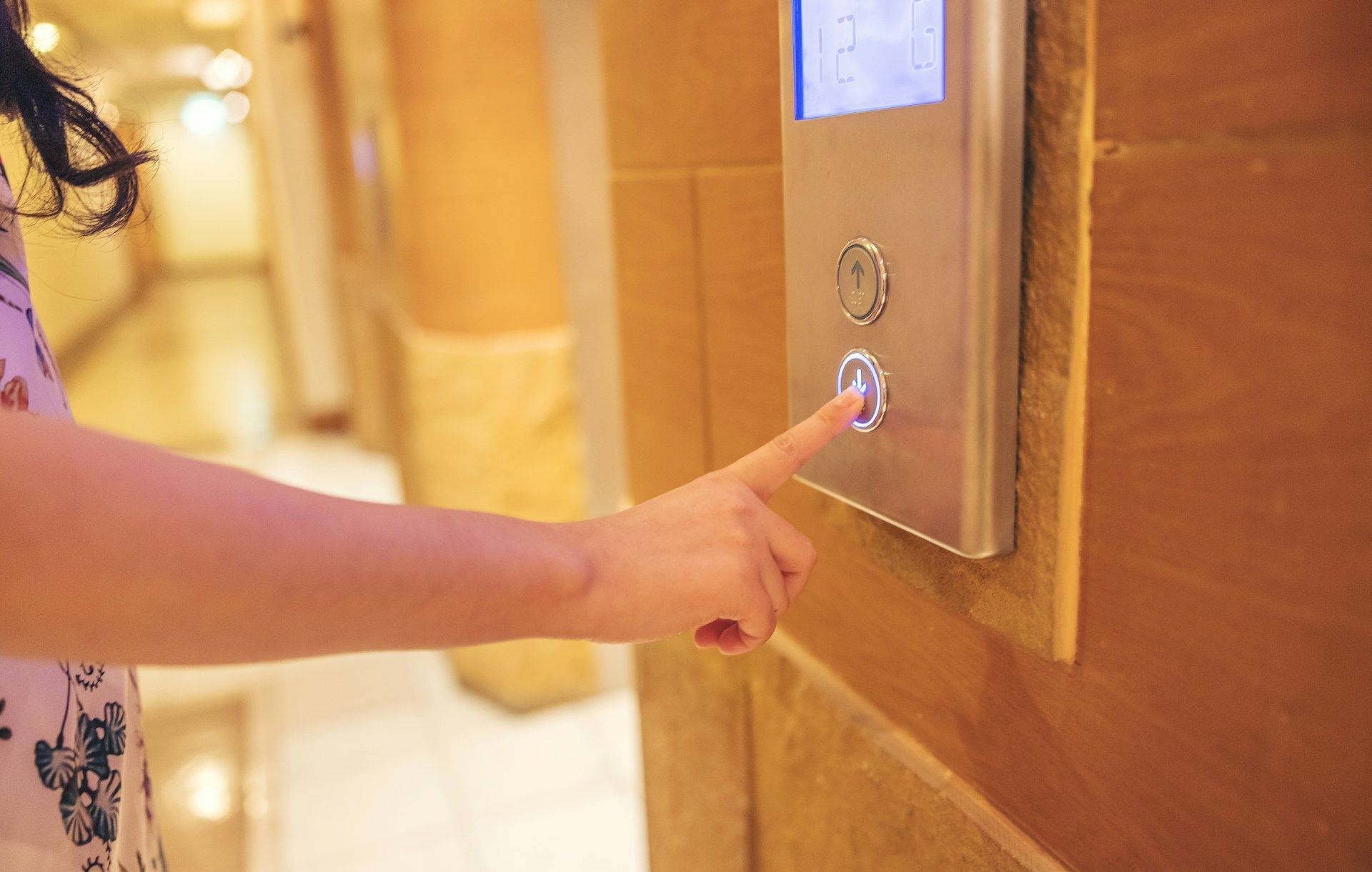
- Strange sounds, hesitating doors, or buttons that don’t respond should be reported, even if the ride seems fine. Early reporting helps fix new issues before they grow into big ones.
When tenants know what to watch for, they can help building managers stay ahead of problems. That awareness makes everything safer and smoother for everyone else using the space. Reporting small concerns won’t disrupt anyone’s day, but ignoring them could make things riskier for visitors and future riders. Fall weather might make small issues more apparent, so paying a little more attention goes a long way.
Simple Dos and Don’ts for Everyday Elevator Use
Everyone shares elevators, so clear rules help make those trips easier and safer. Luckily, a few simple habits go a long way.
Do:
- Press the “door open” button if someone’s approaching
- Step aside so people can exit before entering
- Hold small items, backpacks, or bags in front to avoid bumping into others
Don’t:
- Force doors open or stop them with your hand or body
- Block door sensors just to hold the elevator longer
- Jump inside the cab or lean on the walls
Treating an elevator like shared space, not personal space, keeps rides smooth and avoids damage. Taking a few extra seconds to ride safely is better than the delay from repairs. Showing patience in busy times, like mornings or late afternoons, can make a big difference too. When everyone follows these basic dos and don’ts, it helps create a more respectful environment in the building. Courteous habits prevent minor accidents and make people feel more comfortable, whether they live there or are just visiting.
Helping Kids and Guests Use Elevators Safely
Some people need reminders, others need help learning the basics. Young kids and visitors might not understand the risks of elevator missteps, even if they mean well.
- Parents can teach kids to wait for adults before entering and to never play with buttons
- Show children how to stand quietly in the back and not lean on the doors or panel
- Guests visiting from small towns or rural areas may not use elevators often, so a quick explanation can prevent confusion or panic if something feels unfamiliar
Building signs or quick notes in resident newsletters can help with this. Clear reminders, without lectures, make the elevator feel more welcoming while keeping use safe for everyone inside. Little things like adding a sign near the call button or including an elevator tip in an email can make sure new faces know how to behave when riding. If children visit the building, it helps to watch them closely the first few times they use the elevator. Showing kids and visitors what to do, instead of telling them what not to do, keeps rides stress-free.
When Safety Habits Protect Elevator Service
Good habits don’t just keep riders safe. They also protect how long your elevator lasts between repairs or service needs.
When riders slam doors, block sensors, or overload the cab, it takes a toll. These actions may seem small at first but lead to more maintenance over time. In some cases, it ends in emergency calls, especially during colder months when people rely on the elevator more and have less patience for delays.
On the flip side, good behavior can:
- Reduce the need for repairs
- Support safer, uninterrupted service during peak times
- Help keep things running cleanly through each season
Safety goes both ways. We make sure the machinery works right. Tenants make sure their use keeps things that way. Small, consistent care by residents is just as important as the routine checks done by professionals. In fall, people often hurry to avoid cold or rain, but slowing down in the elevator zone means fewer mishaps and smoother travel for everyone. Even the best equipment will last longer when users are more thoughtful during each trip up or down.
Staying Safe as the Seasons Change
Fall shifts the pace in most buildings. Rainy mornings, wet shoes, heavier jackets, and colder lobbies all add new risks to regular routines. Elevators aren’t immune to that.
- Watch for wet floors near entries that could lead to slips inside the cab
- Be careful when long sleeves or scarves get close to door edges
- Doors may move slower with temperature changes or shift slightly off track because of moisture and wear
It helps to put up a quick note near elevator buttons to remind riders to take their time. A small sign goes a long way when the seasons are changing and everyone’s in a hurry. Managers can use the change in season to refresh safety reminders and check for anything that could cause trouble, like loose mats or dripping umbrellas left inside. These little bits of maintenance can prevent big messes and keep elevators dependable, no matter what the weather does. As people juggle umbrellas or extra bags, taking an extra moment can stop slips, jams, or other headaches. Being mindful of fall changes can help reduce risk and keep things moving smoothly for everyone in the building.
Building a Smarter, Safer Ride Experience
Elevator habits don’t have to be complicated. But when everyone understands the basics, each ride feels less rushed, more respectful, and a little safer for all.
Safety is a shared responsibility. And when it becomes part of the routine, not an afterthought or a warning sign, buildings stay ready for whatever the season brings. Whether it’s longtime tenants, staff, or first-time visitors, simple day-to-day actions help prevent frustration and downtime. When people report problems, wait their turn, and avoid risky moves, the whole building runs better for it.
Safe habits help keep your property running smoothly, and regular upkeep matters just as much. Whether you manage a busy complex or a small building in Kentucky or Indiana, we’re here to help you stay on track in every season. When safety concerns, worn parts, or slow response times arise, it may be the right moment for a closer look. Let’s work together to help your elevators remain dependable and safe with consistent
elevator service. Reach out to Elevator Solutions Inc. to schedule a service check or discuss your current setup.