How to Pick the Right Elevator for Multi-Tenant Use
When you're choosing an elevator for a building with multiple tenants, you’re not just picking a way to get from floor to floor. The right selection can impact how tenants experience the space every day. If the elevator is slow, cramped, or loud, people notice. And when it breaks down or doesn’t meet code, problems build up fast.
That’s why elevator sales for multi-tenant buildings need attention from the start. We think about how the space is used, who’s using it, and how often. In Kentucky and Indiana, where a lot of commercial and residential buildings combine shared use, the choice you make early can ripple through maintenance plans, tenant satisfaction, and general upkeep for years.
Match the Elevator Type with Building Use
Before making choices, we look at how the building gets used on a daily basis. A three-story apartment complex doesn’t have the same needs as a medical office or downtown workspace.
- Hydraulic elevators are slower but work well for low-rise buildings. They’re easier to install and make sense when speed isn’t a top concern.
- Traction elevators handle more weight and move faster, which makes them better for mid- to high-rise buildings with steady foot traffic.
- We think about how much wear and tear the elevator will get. A medical office may run steady all day, while residential buildings may spike during mornings and evenings.
Some tenants might need more support, too. If the building includes senior housing or ADA-compliant spaces, smooth rides and easy access become part of what’s needed. Elevator type and control features can affect how easily different groups move through the building.
Elevator Solutions Inc. offers both traction and hydraulic elevator installations, and our team reviews site requirements and typical use patterns to match the right system to each building.
Consider Capacity and Ride Frequency
Passenger traffic is not just about total numbers. It’s about when and how people use the elevator. Peak demand during the morning commute or around lunchtime can quickly show whether your elevator can keep up.
- Start by estimating how many people live, work, or move through the building at any given time.
- Think about what floors they access most. Long waits for the elevator can frustrate tenants fast.
- Smaller elevators in buildings with heavier traffic can create backups, especially if there’s only one unit supporting all floors.
Beyond convenience, overloading and constant use wear out parts faster. Choosing the right size up front makes a big difference for long-term performance and lowers the chances of downtime later.
Safety and Comfort Features to Look For
Every elevator comes with safety certifications, but some features go above the minimum and make a big difference in multi-tenant settings.
- Leveling systems help the cab stop exactly where it should, reducing trip hazards and making access easier for everyone.
- Door sensors reduce hits and jolts by reopening when they detect movement.
- Sound and vibration matter more than you might think. Quiet rides help keep the space professional, especially in office buildings or healthcare facilities.
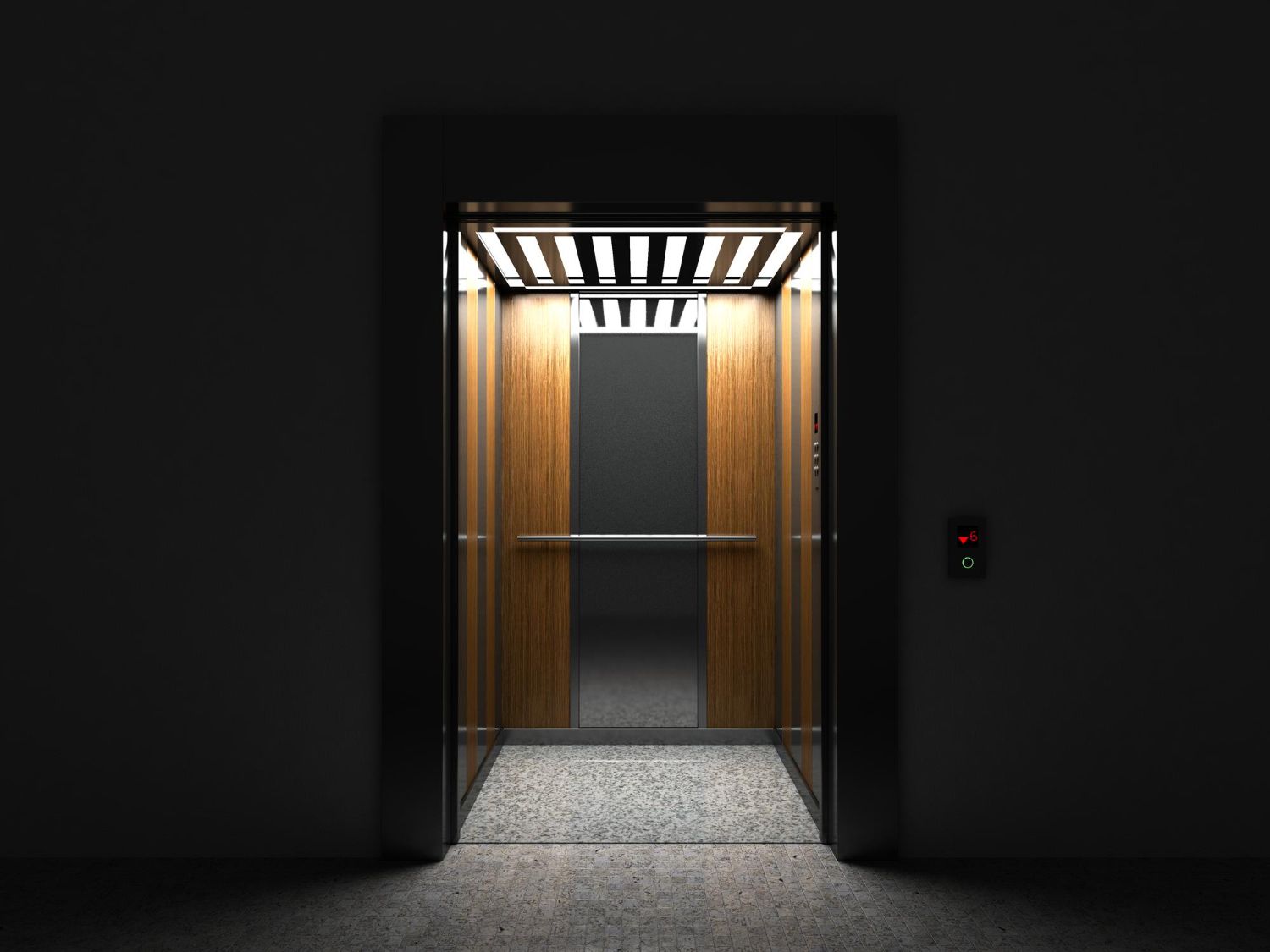
For comfort and user-friendliness, we often suggest interior upgrades like handrails, mirrors, or LED lighting. Small things like this can create a better, safer experience for people who use the elevator day after day.
Our team offers consultations on custom features and interior finishes, including secure access controls, antimicrobial surfaces, and durable code-compliant lighting options for commercial buildings in Kentucky and Indiana.
Space and Layout Constraints
Not every building has the same setup for installation. So we always check whether your space works with the system you're considering.
- Shaft size matters. Some elevator models need a larger pit or overhead clearance than older buildings can offer without structural changes.
- In tight spaces, we may look at machine-room-less options to save square footage while still meeting code.
- Elevator placement is another piece of the puzzle. We want the elevator to open to allow easy flow, in lobbies, near exits, or in clear sightlines for foot traffic.
We’ve worked on enough older buildings in Kentucky and Indiana to know how unique layouts can limit what works. So we look at these physical constraints early to avoid major redesigns.
Planning for Long-Term Support and Service
Buying the elevator is just the beginning. What matters even more is how it runs over time. Spring is a good season to check those long-term priorities, especially before hot weather kicks in and systems start working harder.
- Think about what kind of access is needed for maintenance and how often parts need to be replaced.
- Newer systems often come with more complicated controls or software, so regular checks are not an afterthought.
- Seasonal shifts, like heavy rains or freezing temps, can affect elevator rooms or pit areas if not built and serviced to match local conditions.
We often walk property managers through future timelines early in the elevator sales phase. That way, we pick equipment that matches not just the space, but the level of support it’s going to need across seasons or tenant changes down the road.
Our maintenance agreements provide 24-hour emergency coverage and scheduled on-site servicing to keep multi-tenant elevators in top condition through every season.
Confident Choices Start with the Right Fit
When we help choose between elevator models, we weigh a lot of moving parts. From ride frequency and speed to hallway layout and shaft depth, it all plays a role in how that system will perform day after day.
Getting the fit right is not about buying the biggest or newest thing on the market. It's about matching the elevator with what the building needs and what its tenants expect. When we start with that perspective, we find choices that lead to better performance, fewer complaints, and less stress down the line.
Elevator Solutions Inc. understands the unique needs of multi-tenant buildings in Kentucky and Indiana. Choosing the right elevator system can streamline traffic flow, enhance tenant satisfaction, and prepare your property for the future. With
elevator installation services tailored to meet the demands of your space, we ensure a seamless fit that meets code and exceeds expectations. Reach out to us today to find the perfect solution for your building’s specific requirements.