Preventing Wear and Tear During Elevator Peak Hours
At certain times of day, elevators don’t get a break. From morning rush hour to lunch breaks and late afternoon traffic, these busy windows push machines to work harder than usual. If parts are already a bit worn or misaligned, the added pressure during peak use can quickly lead to more serious issues. That’s where regular elevator maintenance becomes smart planning, not just a checklist item. Staying ahead helps building owners and managers avoid last-minute repairs and long delays when service is needed most.
In this post, we’ll cover simple, real-world steps to help ease wear and keep things running smoothly during high-demand times, especially in places like Kentucky and Indiana where warm weather often increases elevator usage during the summer months.
Know When Peak Use Happens
Some wear happens slowly, but peak traffic speeds things up. That’s why the first step is understanding when elevators are working hardest in your building. Most see the most action during early morning hours, lunch periods, and right before closing. The exact timing may vary depending on whether it’s a commercial building, residential complex, or mixed-use space.
- Keep a simple log or observe general traffic throughout the day to spot patterns
- Note times when service calls or equipment slowdowns happen more frequently
- Plan any routine service or maintenance checks for quieter times when demand dips
By adjusting inspection schedules around low-traffic windows, it's easier to spot small issues before they cause bigger problems during rush hours.
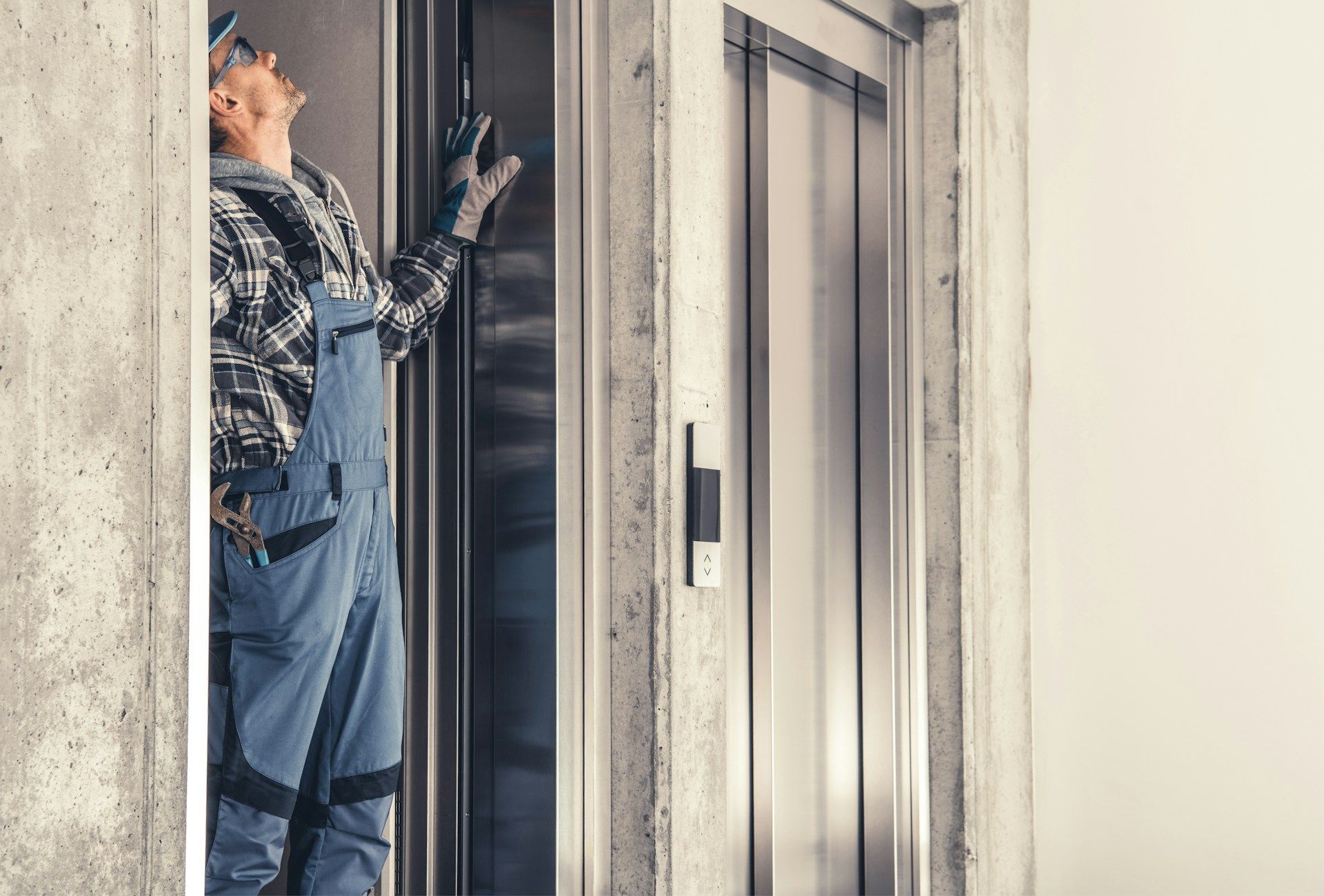
Elevator Solutions Inc. provides monthly, quarterly, and annual maintenance plans for busy properties, and our team makes use of these low-traffic windows to complete checks and repairs with minimal service disruption.
How System Overload Wears Down Key Parts
Repeated trips throughout the same few hours every day take a toll. Motors, brakes, and control boards see the most stress when elevators are used more than usual. Even something like elevator doors opening and closing multiple times for back-to-back trips can add extra wear quicker than it seems.
When controls get used more, they heat up. If the cabin is slowing between floors or stopping unexpectedly, you might be looking at a sign of part fatigue. While it’s easy to think things will bounce back, these issues tend to get worse without proper elevator maintenance. Ignoring them doesn’t just affect one part of the system, it can trigger ripple effects that lead to full shutdowns or costly emergency repairs.
- Increase in cabin heat and control panel wear are early warning signs
- Constant traffic between same few floors stresses bearings, gears, and cables
- Sensors and electronics may misread commands when overloaded repeatedly
Checking parts before they fail keeps downtime low and helps avoid unsafe situations on busy days.
Use of Controls and Doors During High Traffic
Buttons, sensors, and the doors themselves all get heavily used during busy hours. If residents or employees are impatient or unfamiliar with how the system works, damage can happen faster than expected. Forced doors, jammed sensors, or sticky buttons aren’t just annoying, they can be signs that the system is on the verge of a larger issue.
- Door motors push harder when people shove or block openings with carts or deliveries
- Buttons stop responding when dirt builds up or wiring wears down from extra use
- Edge sensors and safety features may misfire if not cleaned and checked regularly
If controls are failing during rush times, it's more than just an inconvenience. It can lead to higher repair costs later and affect the safety of everyone using the building.
We check and adjust safety features, door motors, and buttons as part of our recurring service calls, identifying parts at risk before any breakdowns impact tenants during peak demand.
Smart Usage Tips for Building Staff and Tenants
Sometimes the best way to protect your elevator system has nothing to do with tools or equipment. It’s about how people use it day after day. Building staff can set the tone by keeping usage responsible and adjusting routines around low-traffic times when possible.
- Post friendly reminders encouraging tenants to avoid holding doors too long or pushing buttons multiple times
- Train cleaning crews, movers, and delivery drivers on best practices for loading and elevator use
- Review peak traffic schedules with staff or security to prevent overcrowding and long wait times
By keeping communication simple and direct, usage problems tend to drop. Tenants appreciate smooth rides, and equipment feels the difference too when treated with care.
Preserving Performance When It Matters Most
Elevators shouldn’t only run well when buildings are quiet. They need to stay reliable during the busiest times, especially when people are counting on them to get to work, reach medical appointments, or carry guests where they need to go. Whether you're managing a business park in Louisville or a residential tower in Indianapolis, high-demand hours are when elevator systems get truly tested.
- Watching for patterns helps time inspections before wear builds up
- Caught early, small issues cost less and take less time to fix
- Reliable service during peak hours keeps everyone moving and avoids added stress
Taking a few extra steps today means elevators are ready when they’re needed most. In the end, that keeps the building running better and the people inside less frustrated during busy times.
Staying on top of elevator wear makes a big difference, especially during the hotter months in Kentucky and Indiana when traffic picks up. The more pressure systems face, the more likely small issues become bigger ones. That’s why we encourage property owners and managers to plan ahead with smart, dependable
elevator maintenance. When downtime is avoided, buildings stay safer and people move without delays. Let Elevator Solutions Inc. help you catch problems early and keep everything running smoothly by reaching out to our team today.