What Goes Into Selling Commercial Elevator Systems?
Selling commercial elevator systems isn’t just about moving equipment from one location to another. There’s far more to weigh than just price tags and control panels. Most buyers come in with questions about space, building use, and future upkeep. Whether it’s a property upgrade or new construction, decisions made upfront shape how well a building works years down the road.
That’s why elevator sales require more than numbers. Contractors and property owners across Kentucky and Indiana want systems that fit their specific needs. They’re thinking about daily usage, seasonal impact, and even how long they can go before a major repair. The right choices keep tenants moving, reduce long-term downtime, and match the building’s pace.
Determining Building Needs and Elevator Type
Every building is different, and so is the type of elevator it needs. Some buildings move a few people quietly throughout the day. Others handle heavy foot traffic, rolling carts, or full freight loads. Picking the system that fits begins with a few key questions.
- How tall is the building, and how many people use it at once during busy times? Smaller buildings with low foot traffic may only need a basic passenger elevator, while larger commercial properties need systems with greater weight limits and faster speeds.
- Are the elevators for people, goods, or both? A hotel will lean more toward quiet passenger units. A warehouse or mixed-use building might need freight elevators with wide doors and stronger floors.
- What kind of use is expected over time? A retail space may have sharp peaks at opening and closing hours. Office buildings need consistent, steady movement all day.
Once those answers are on the table, we can match system type with actual use. Installing the wrong elevator isn’t just inconvenient. It can affect insurance, wear down parts faster, and frustrate anyone who uses it daily.
Elevator Solutions Inc. offers a full range of commercial elevator products, including passenger, freight, and dual-use systems tailored to the size and needs of the property.
Requirements That Influence Sale Decisions
Most buyers we meet are thinking about function first, but code requirements shape a lot of what’s possible. Local and state codes define what safety expectations must be met. That includes everything from emergency phones to cab size and door clearance.
- ADA laws are a big part of sales planning. Most public buildings need elevator systems that allow people in wheelchairs to move easily from floor to floor. That includes button panel position, door width, and spoken system prompts.
- Electrical must match the power draw of the selected equipment. Some older buildings may need new circuits or subpanels before a modern lift can run the right way.
- Space inside the shaft and overhead clearance drive big decisions. New buildings offer flexibility, but retrofits come with layout limits that affect design and timing.
Every part of the system connects: space, wiring, usage, and controls. We see better results when early planning puts code and power systems up front, not as an afterthought.
Elevator Solutions Inc. manages code compliance and ADA requirements for all elevator installations in Kentucky and Indiana, helping avoid permit delays and ensuring accessible systems for each property.
The Role of Customization in Commercial Sales
Once the basics are in place, building owners start asking about design and comfort. That’s where custom options come in. From floors and walls to lighting and control panels, every detail can be shaped to match the building’s tone.
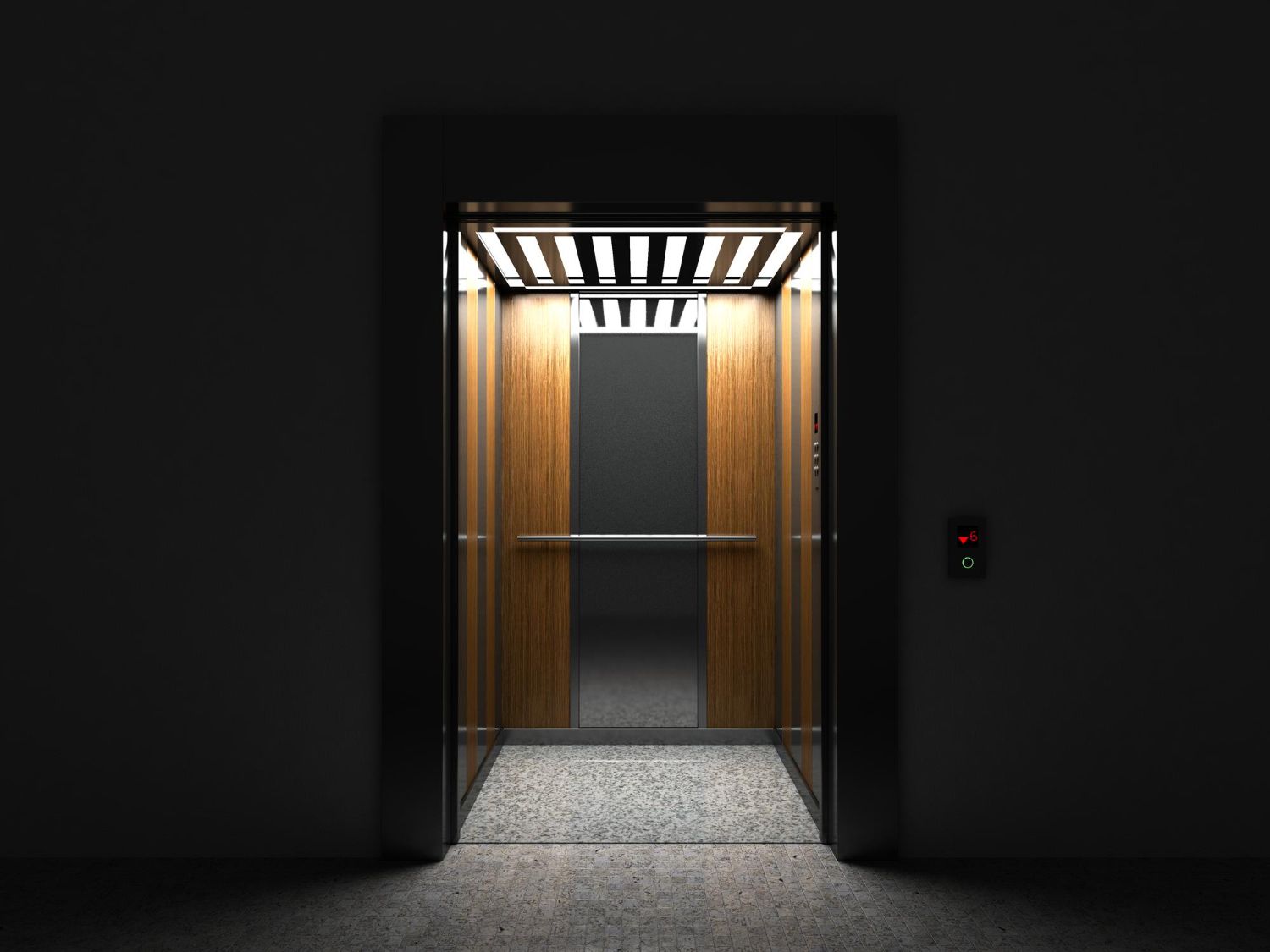
- Owners choose everything from stainless steel cab walls to wood grain patterns that match lobby style. LED lighting, touchscreen panels, and even display screens can be added.
- Controls need to be simple and fast. Some sites prefer buttons, others want touchless entry or swipe access for security reasons.
- In the Midwest, weather matters too. High humidity or winter road salt in boots can affect materials in the cab over time. We plan for that by choosing slip-resistant flooring and corrosion-resistant trims.
Customization isn’t always about making a cab look pretty. It’s about safety and daily wear. Finishes should make riders feel comfortable, not overwhelmed. A good sale balances design with simplicity.
Timing and Scheduling Around Fall Projects
Fall is a common timeframe for commercial elevator sales and installs. In Kentucky and Indiana, many buildings wrap up outdoor work before winter hits. That leaves indoor upgrades, like elevators, to be planned right behind them.
- With HVAC and plumbing jobs finishing in early fall, elevator installations often fill the mid-October window. Schedules line up more easily while the weather holds steady.
- Factory production windows matter. Ordering early in the fall improves chances of getting units delivered before snow slows shipping.
- Permits can take time. Coordinating inspections and prep work before frost or holiday traffic begins avoids backup across trades.
We’ve seen how delays in one system ripple into the next. Fall gives just enough cushion to finish jobs before freeze hazards increase around pits and access panels. It’s why early scheduling pays off.
What Experienced Buyers Look for During Elevator Sales
Buyers who’ve handled elevator sales before often ask different questions. They know the elevator isn’t a one-time expense; it’s an ongoing piece of the building’s use. Long-term planning shapes their choices.
- Service history is key. They want to know how often a system needs parts or repair, and how many years of use they should expect before bigger updates are due.
- Older properties may want upgrade-ready systems, allowing for smoother modernization later with less disruption.
- Buyers often ask how emergency safety systems work, especially for areas open to the public or in colder zones where power loss happens more often in winter.
The focus shifts from just installation to how each system performs over a ten-, fifteen-, or twenty-year span. Fewer surprises later means spending a little more time picking the right system now.
Elevator Solutions Inc. provides customized maintenance and installation planning for all elevator sales, helping property owners protect long-term investment and limit downtime.
Building Toward Long-Term Performance and Safety
Strong commercial elevator sales always start with long-term thinking. It’s not just about what will work today, but what will keep working five to ten years from now without a major overhaul. A sale leads to years of service, traffic, and user trust.
The best outcomes happen when systems match the building’s daily rhythm, local conditions, and safety needs. Picking the right elevator supports the users who ride it and makes the building stronger going forward. With good planning now, the project stays on track and avoids seasonal slowdowns right when things matter most.
Ready to transform your property with precision and expertise? Whether you're upgrading or starting anew, making the right choice for your building's needs starts here. Let Elevator Solutions Inc. guide your journey with tailored solutions, ensuring seamless integration from planning to performance. Reach out to discover how our
commercial elevator installation services can elevate your space and maximize long-term efficiency.