Everything to Know About Elevator Installation Timelines
Getting an elevator installed sounds pretty simple at first, but there’s a good amount of planning involved before anyone steps inside and hits a button. Many building owners expect a fast process, only to find out later that elevator installation services include several stages that depend on each other. From the first site survey to the final inspection, the full timeline can stretch longer than expected without the right planning.
Understanding how long each stage might take helps you keep everything on schedule. For properties in Kentucky and Indiana, spring can be a great time to start, but the season can also bring setbacks like heavy rain or inspection delays. Knowing what to expect early means fewer surprises later and more confidence when the work begins.
What Affects How Long an Installation Takes
Not every elevator project is the same, so it’s important to think about what makes your job different. The kind of elevator, the condition of the building, and where you’re located all affect how quickly things move.
- Building type and elevator choice matter. Installing a simple two-stop system takes less time than a larger freight elevator that carries heavier loads or travels greater distances.
- Age and structure of the property can slow things down. Older places may not have enough room or need added upgrades to bring them up to code.
- Spring weather brings both advantages and challenges. While you’re no longer battling freezing temperatures, spring in places like Louisville, Kentucky, can bring heavy rain or muddy job sites. These can mess with delivery trucks or site prep work.
- Local codes must be followed. Whether the project is in Indiana or Kentucky, we always account for the extra time it may take to get plans checked or resubmitted to meet state or city safety requirements.
Elevator Solutions Inc. handles both traction and hydraulic elevator installations for commercial and residential buildings, adapting to unique layouts and needs. Our team manages local permitting and verification, so timelines match local expectations.
When these factors are considered at the beginning, it helps set realistic expectations for the full installation timeline.
Pre-Installation Work That Adds Time
Before a cab gets delivered or a shaft gets built, there’s a lot of back-and-forth between different people. Property managers, developers, and architects all come together to go over the type of elevator chosen and how it fits into the building.
- Design reviews need time, especially when an elevator is part of larger construction or renovation work. Finalizing layouts and making sure the elevator can be supported correctly is a careful process.
- Paperwork is slow by nature. Permits and code approval steps need to run their course before work can officially begin.
- Electrical and structural groundwork takes coordination with different trades onsite. That might mean cutting out spaces, installing new panels, or swapping out older systems to meet code.
- Parts don’t always show up quickly. Sometimes manufacturers need lead time to produce custom elevator components based on project specs. That delay on the front end can affect the whole plan if not accounted for.
Spring is often used as a planning window for summer installs, but with all these moving parts, waiting too long to start on pre-install tasks can put your entire schedule at risk.
Installation Phase and Safety Checks
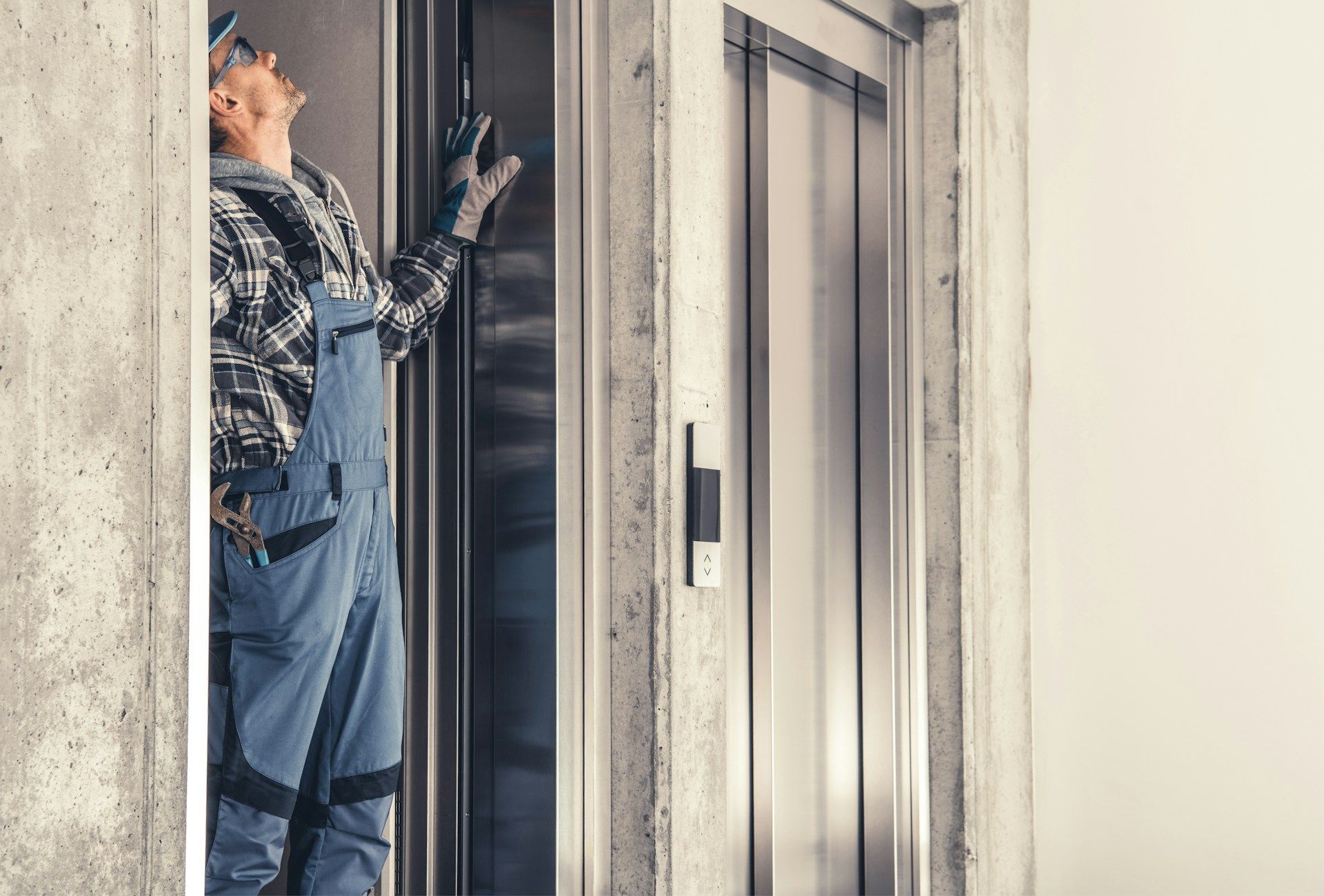
Once approvals are in place and the site is ready, the actual install begins. This is when things seem to move quickly from one stage to the next, but it still takes care and attention at each step.
- The shaft gets built or reinforced. In new construction, this is often prepped earlier. In existing buildings, upgrades to the shaft for safety or access might take added time.
- Rails, frames, and equipment go in. Supporting components line the shaft and hold up the elevator system. These steps must happen in a set order to keep the install safe and functional.
- The cab itself is installed. This includes placing the elevator car, running cables or hydraulic lines, and fitting lights, doors, and panel controls.
- Safety systems are tested. That covers stop-level accuracy, emergency functions, alarms, and communication inside the cab.
- Inspections are scheduled. A city or state inspector must approve the system before it's opened for use. If anything doesn’t line up during that review, it creates a delay.
Everything during this phase builds on the last. Even a short wait for one trade to finish can cause a domino effect across the rest of the timeline.
Elevator Solutions Inc. follows a step-by-step process to keep installations on track, offering regular project updates and keeping building owners aware of each milestone. We always verify that equipment matches city and state safety standards before moving to final checks.
Post-Install Activities That Add to the Timeline
Even after the elevator is set and inspected, a few steps still remain before it’s fully handed off for day-to-day use. These follow-up tasks are just as important and can make or break the long-term success of the system.
- Final walkthroughs make sure the entire install meets expectations. Owners, project supervisors, and technicians check operation, access points, and any agreed-upon specs.
- Training happens onsite. Property managers or building staff get a full overview of how the elevator works, what to watch for, and how to report things that don’t seem right.
- Maintenance programs get discussed. Depending on the type of traffic and use, we help decide when and how often the system should be checked moving forward.
- Spring can make hidden issues pop up. Rain and leftover salt from the winter might affect underground pits or machine room humidity. It’s a good time to monitor for signs that adjustments are needed before summer hits.
Once this stage wraps, the elevator is ready for daily use. But staying aware during spring keeps new equipment in better shape over time.
Why It Pays to Know the Timeline Up Front
When each part of the install is planned and explained clearly, there’s far less stress on everyone involved. Timelines help keep the work focused and give property owners a better way to manage their budget and expectations.
By taking extra time to understand how elevator installation services move through planning, prep, testing, and training, we can catch delays before they happen. Good timelines make it easier to schedule other work around the install and avoid last-minute surprises, especially in an active construction season like spring.
Clear steps. Good communication. A predictable timeline. With these in place, we stay on track, and the elevator process moves the way it should.
At Elevator Solutions Inc., we understand that planning and executing a successful elevator build requires a keen understanding of your timelines and unique site specifications. With our expertise in elevator installation services, you can trust our team to manage every step with precision, ensuring a seamless fit into your project schedule.
Connect with us today to discuss your requirements and see how we can keep your elevator installation project on track and moving confidently from concept to completion.