How Commercial Elevators Handle Heavy Traffic
In high-traffic buildings like offices, hotels, and schools, elevators end up doing a lot of the hard work. Moving people quickly between floors isn't just about pressing a button. It takes planning, strong equipment, and regular checks to keep things working without hold-ups. As spring rolls in across Kentucky and Indiana, buildings see more foot traffic from conferences, travel, and school events, which means elevator systems have to work even harder.
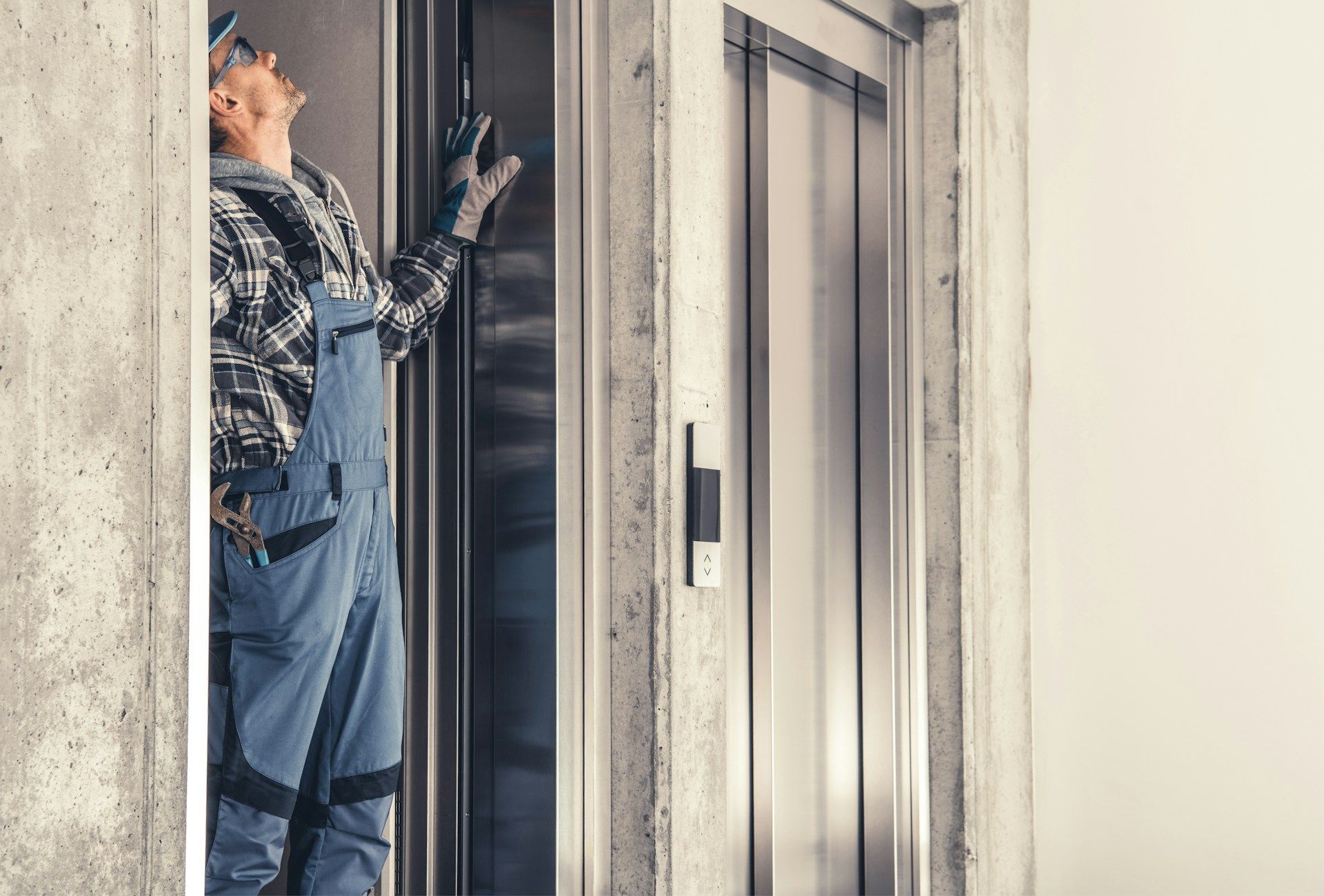
When elevators carry more riders, the small signs of wear start showing up faster. Spring rains and humidity can affect sensitive parts like doors and sensors, and long wait times can frustrate tenants and guests. That’s why now is a smart time to look at how commercial systems manage crowd pressure and how proper elevator maintenance services can keep things on track.
Design Features That Support Heavy Use
Commercial elevators are built differently from the ones in homes. That difference shows up right away in how they’re sized, powered, and controlled.
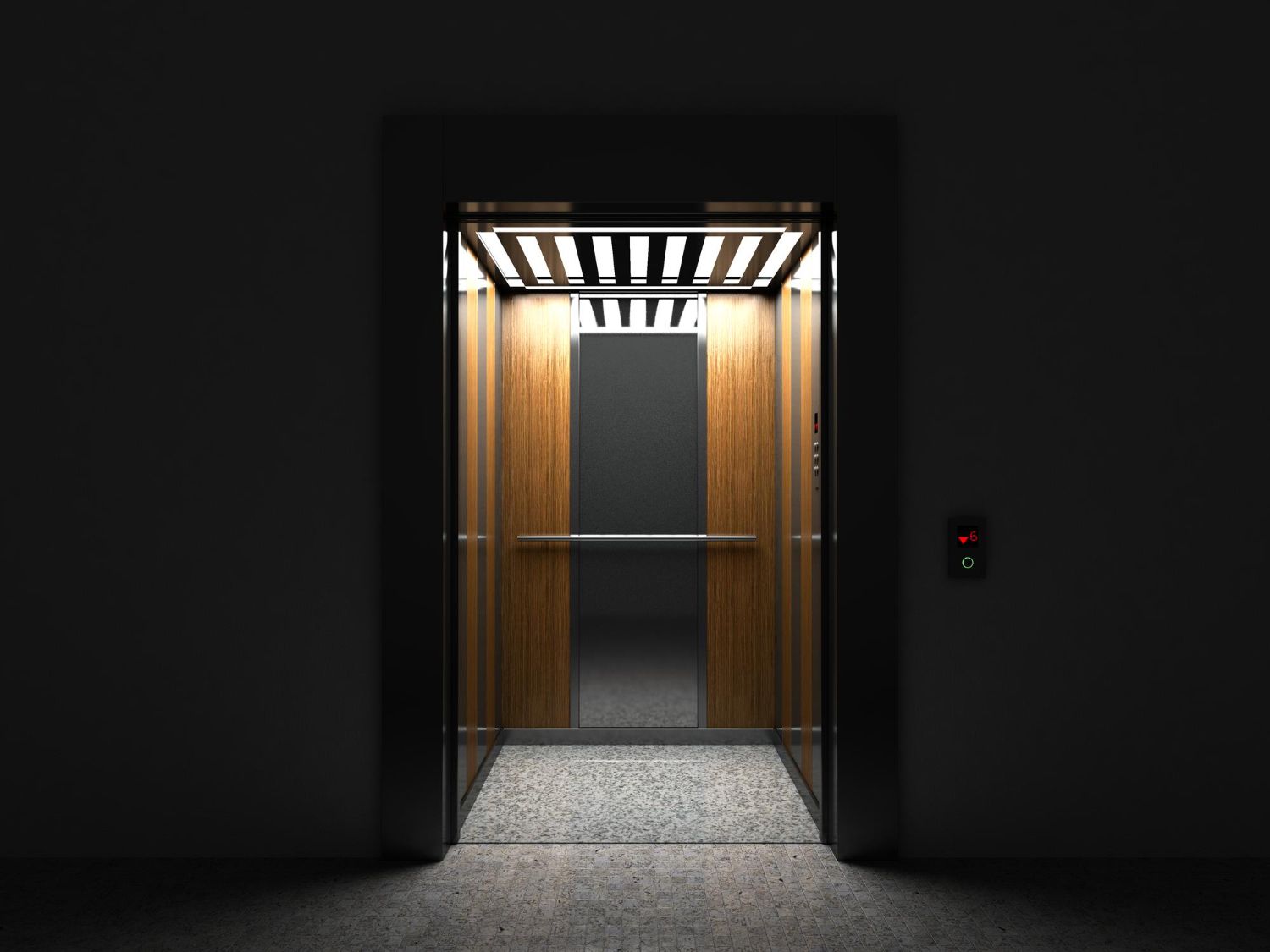
- Cabins are built bigger to hold more people. The floors are reinforced, and walls may be finished with materials that can take more impact from carts, equipment, or rolling suitcases.
- Motors are stronger and built to run more often. These elevators are cycling up and down all day, so the motor system is made to stay cooler and last longer under pressure.
- Traffic flow is part of the plan from the start. During design and installation, we think through peak times and common patterns. That helps set where elevators stop, how many are needed, and how to group them by floor access.
- Controls matter too. Sensors that open doors based on motion, timers that adjust how long doors stay open, and coordination between multiple elevators all help move people more efficiently.
These features help buildings handle daily stress, but usage patterns shift with the seasons, putting extra strain on equipment that may already be working near its limit.
Elevator Solutions Inc. installs and maintains both hydraulic and traction elevator systems designed for high-traffic commercial use. We offer full modernization upgrades, including ADA-accessible controls, energy-efficient drives, and real-time monitoring options for key properties with demanding traffic.
How Spring Conditions Put Extra Stress on Systems
Spring tends to bring more foot traffic to commercial properties. Hotel lobbies get busier with conference guests, schools have events, and offices often see more visitors after slow winter months. All that activity means the elevator parts doing the most work start to wear down more quickly.
- The weather doesn’t help either. Moisture from rain gets tracked inside, building up on elevator thresholds and increasing slip risks. Temperature changes, especially between cool mornings and warm afternoons, can cause door sensors or buttons to act up.
- These conditions make spring a time when elevator systems are more likely to show signs of wear. Door tracks might start sticking. Call buttons can become less responsive. Rattling or inconsistent stops become more common.
- This is where regular elevator maintenance services help identify issues before they become major problems. Catching signs of strain now can reduce bigger repair needs going into the summer season, when buildings often get even busier.
Spring brings both opportunity for improvement and risk for failure if systems are already stretched thin.
Handling Traffic with Smart Controls
Older elevator systems simply responded to buttons in the order they were pressed. Newer systems are smarter. They don’t just respond, they predict and adjust in real time.
- Destination control lets users select the floor at a kiosk before getting inside. The system figures out who’s going where and groups riders onto elevators more efficiently.
- Timed floor priority helps during busy windows. If one floor always sees traffic at 8 a.m., we can program the system to return faster there and cut down wait times.
- Modes can change. Some elevators run service-only for staff needs, or express for high-level floors. Programming these routes helps avoid daily traffic build-up.
By adjusting to how the building is used, these control features allow elevators to move people faster without needing more equipment.
We work with owners and managers to tailor elevator schedules, optimize group settings, and update programs ahead of seasonal demand. This approach helps control crowd flow while providing staff and public users with smooth, fast rides even during peak weeks.
Long-Term Wear and Response Planning
When elevators take on heavy use, parts wear out faster. That includes doors, operator arms, rollers, and brakes. Even if each piece only sees a little more stress than normal, the hours add up.
- Busy buildings don’t wear out elevators the same way. Some see heavy lunch traffic, others work around the clock with shift changes. Understanding those patterns helps plan inspections and small adjustments throughout the year.
- Maintained well, commercial elevator systems last longer and offer more reliable service. Spring is a good time to review how they’ve held up over the winter and prepare for heavier use during summer holidays, student move-ins, or tourist spikes.
- We often recommend seasonal schedules tied to local demand. In Kentucky and Indiana, where spring kicks off a stretch of travel, school endings, and public events, May is a key time to review ride quality and make any needed updates.
Preventing downtime starts with catching the signs that things aren’t quite right, even if riders haven’t complained yet.
Keeping People Moving All Year
Commercial elevators are built to pull heavy loads and run all day, but they need help to do their job well. That means matching the strength of the system with the right plan for checking, tuning, and adjusting over time.
Knowing how traffic changes during the year, like busier mornings in spring or travel surges in early summer, helps us keep people moving without slowdown. Elevator maintenance services don’t just fix problems. They keep the whole system balanced before bigger issues show up. And right now, with warmer months ahead, it’s smart to make sure everything is ready for what’s next.
At Elevator Solutions Inc., we’ve seen how spring traffic can speed up wear on elevator systems across Kentucky and Indiana. That’s why now is a good time to check for small issues before they grow into bigger problems. With higher usage and changing weather, keeping elevators running smoothly means staying on top of repairs and routine checkups. Our
elevator maintenance services are built around how your building is used, not just the calendar. Give us a call and we’ll help figure out the right plan for your property.