Preventing Moisture and Water Damage in Commercial Elevators
Moisture and water damage in commercial elevators are issues that can sneak up without much warning, causing unnecessary and often expensive problems. This concern is particularly relevant in regions like Kentucky and Indiana, where variations in weather can contribute to moisture levels. Addressing the problem through commercial elevator maintenance ensures that your elevators function safely and efficiently while preventing downtime and costly repairs.
Maintaining elevators involves more than just fixing them when they break. Regular attention to aspects like moisture control extends the life of your investment. This approach includes proactive measures to ward off moisture-related issues that could impair not only the safety but also the longevity of elevators. By prioritizing these maintenance tasks, building operators can provide a safer ride for all passengers while keeping operations smooth.
Common Causes of Moisture and Water Damage in Commercial Elevators
Several factors can lead to moisture and water damage in elevators, sometimes so subtle they're easy to overlook. Here are some of the most common culprits:
- Leaks from pipes: Water pipes running close to or inside elevator shafts can develop leaks. If unnoticed, even a small drip can lead to significant moisture problems over time.
- Flooding: Severe weather can cause flooding in basements and other areas where elevator machinery is located. This sudden influx of water is a sure recipe for damage if not managed quickly.
- High humidity levels: Over time, constant exposure to high humidity can cause elevator components to rust and corrode. This is especially true during certain seasons when outdoor humidity levels skyrocket.
These issues can compromise how well an elevator performs and may even affect safety features. For example, water in the control panel can lead to malfunctions that necessitate more than just a quick repair. Sometimes, it might require a full overhaul of the system, costing both time and money.
By being aware of these potential hazards, building managers can better protect their equipment, ensuring longevity and stability through all types of weather. Staying on top of maintenance helps anticipate issues before they turn into significant disruptions or financial drains.
Preventative Maintenance Strategies
Preventative checks play a key role in keeping elevators free from moisture-related troubles. Regular inspections act like health check-ups for your elevators, spotting potential moisture issues before they escalate. By routinely examining seals around the elevator doors and shafts, you can detect if they're wearing down or allowing moisture to creep in. Any signs of rust or corrosion in elevator components should prompt an immediate response to address early damage.
Here are a few common maintenance tasks:
- Check door seals for wear and tightness.
- Inspect in-shaft piping to ensure no leaks.
- Maintain proper ventilation to reduce humidity inside elevator rooms.
Routine servicing ensures that minor problems don't turn into larger ones. For example, a simple inspection could prevent a situation where ample water builds up and requires emergency intervention. Regular servicing keeps the system in peak form, reducing the chance of advanced wear and tear.
Upgrading Elevator Components to Resist Moisture
Upgrading certain elevator parts can make a world of difference. Modern materials and technology offer promising solutions to keep moisture at bay. Opt for moisture-resistant finishes on all metal surfaces. These coatings act like a raincoat, preventing water from directly touching key components. Stainless steel and galvanized materials are also great choices because they resist corrosion.
Consider adding waterproof enclosures for your elevator's electrical components, safeguarding sensitive parts from unforeseen leaks or water exposure. Also, newer models come with improved features specifically designed to combat moisture problems, such as better air-tight fittings and lined compartments.
Keeping up to date with technological advancements ensures peace of mind when it comes to protecting your investments from unwelcome water intrusion.
Responding to Moisture and Water Damage in Elevators
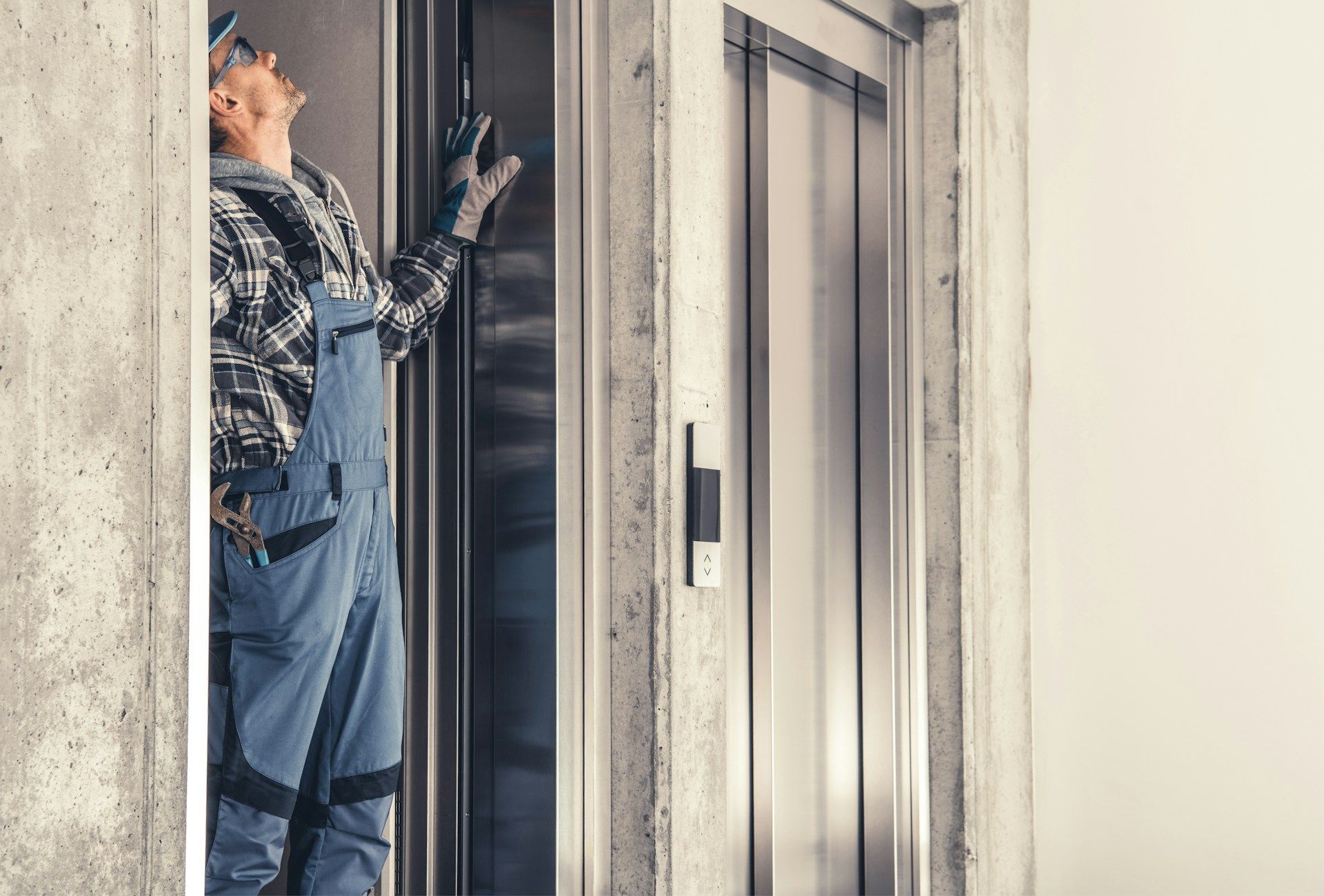
Sometimes, despite excellent upkeep, moisture issues might still arise. In such cases, quick responses save both time and money. Start by turning off the elevator to prevent further damage. This precaution protects both the machinery and any potential passengers. Then, contact skilled technicians to assess and repair the elevator promptly. Their expertise means they'll know just what to do, handling any water-related impacts efficiently.
If you notice standing water around the elevator areas, it’s crucial to have a reliable sump pump in place. This can quickly remove water from the premises, lessening the chance of it seeping into the elevator shaft. These immediate actions prevent minor problems from snowballing into major ones, making response time one of the most critical factors in managing moisture damage.
Stay Dry and Safe in Your Commercial Building
Seasonal weather impacts structures in various ways. By being proactive, you can maintain dry, safe conditions for all building operations, elevators included. Incorporating a habit of regular check-ins and updates ensures that elevators remain both functional and secure, despite changing weather patterns or unexpected water leaks.
Making informed decisions regarding elevator maintenance significantly enhances the lifespan and reliability of the system. By regularly employing preventative measures, upgrading vulnerable components, and responding swiftly to any warning signs, you create a safe environment. These actions are key to keeping your commercial elevators running smoothly year-round.
To ensure your commercial elevators remain efficient and secure against moisture damage, engage in
commercial elevator maintenance with Elevator Solutions Inc. Our proactive strategies keep your systems in top condition year-round, safeguarding your investment and enhancing passenger safety. Reach out today to explore how our expert team can help maintain your building's operational integrity and performance.