Guide to Spring Elevator Safety Checks for Indiana
Spring creates the kind of shift that buildings can really feel. In Indiana, that means more rain, temperature swings, and moisture moving through older systems. Elevators, especially those that have pushed through snow and freezing winds all winter, can start to show signs of wear. These early signs often go unnoticed until something bigger puts the elevator out of service.
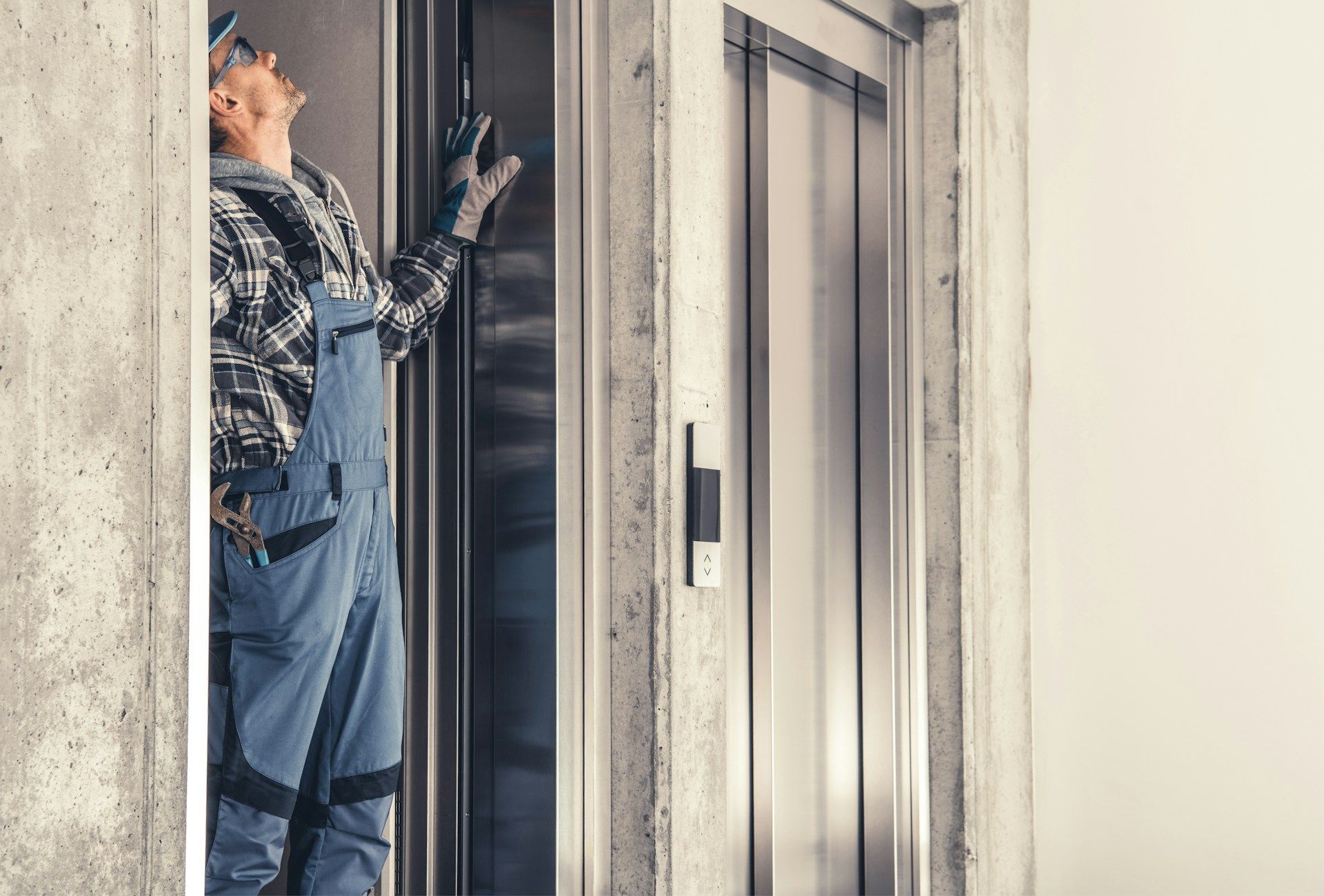
That’s why spring is the right time to schedule a safety check. Without a quick look at the core parts of your elevator, small problems can grow fast. Systems like ride controls, batteries, and wiring may have held up through the cold season, but they could be creeping toward failure. A seasonal check helps catch warning signs before they turn into phone calls no one wants to make. Getting a head start on Indiana elevator repair in early spring keeps things simple when the weather and building use intensifies.
Check for Cold-Weather Damage
Indiana winters hit hard, and while a lot of people think of snowdrifts and icy sidewalks, elevators take their own hit too. After months of freezing temperatures, it becomes even more important to take a close look inside the elevator shaft and machinery.
- Watch out for rust forming around metal joints or in the pit after snow or slush has been tracked inside
- Look for signs of water finding its way in, especially near the bottom of the shaft or near outer doors
- Wiring can get brittle in cold weather, especially if insulation started to crack or peel
- Salt used on sidewalks often sticks to boots and ends up inside the pit, slowing down sensors and coating moving parts
These are all small things at first, but they’re common in the region and can lead to bigger breakdowns if they stay hidden for too long.
Elevator Solutions Inc. provides 24/7 emergency service and planned maintenance for commercial and residential buildings throughout Indiana. Our team is fully licensed and keeps safety a top priority during every inspection and repair. We utilize modern tools such as pit ladders, buffer tests, and water sensors to spot leaks and corrosion early.
Test All Safety Features
Once the weather starts shifting, it’s smart to go back and test every part of the elevator that protects riders during an emergency. You want peace of mind every time doors close, and that starts with confirming all safety mechanisms still respond the way they should.
- Push every single emergency stop button and check for quick response
- Block sensors using a soft object to make sure the doors react in time
- Don’t forget backup lights and intercom systems, these are lifelines when things go down
- Repeat any alarm tests that were done during the winter. Things shift over time and may need to be reset
If your building has a battery or generator backup, this is the right moment to confirm that it kicks in when the power cuts. Spring storms happen fast around here, and they don’t give you time to guess if your systems are working.
Inspect Ride Performance and Response Time
Smooth rides don't just come from new equipment. They depend on regular checks, especially as colder weather starts leaving its mark. Even if all seems fine on the surface, many signs of deeper trouble show up through movement.
- Take a few rides and notice if the elevator starts slow, stops hard, or shakes more than usual
- Listen for odd noises, especially grinding or whining sounds from the motor or cab lifts
- Check if the elevator lines up with each floor. A misaligned cab can point to sensor trouble or wear in the brake system
- Watch how fast the doors open and close. Sluggish movement can be tied to motor strain or power imbalances
Most of these can sneak in gradually. People who use the elevator daily may not notice how much things have shifted since December, which makes this routine check even more important.
Keep the Control Panel Clean and Dry
The control panel is one of the hardest-working parts of any elevator. It handles every call, every button press, every safety check, but it doesn't take much to throw it off. Early spring is a great time to open things up and clear out anything that could get in the way.
- Moisture sneaks its way into panel cabinets when the outside temperature swings suddenly
- Dust, salt, and even small debris can gather around buttons or push through seal gaps
- Wires inside the panel may show signs of corrosion or discoloration if they were exposed to too much damp air
- If delays or missed button presses happen often, it's time to stop guessing. These are early signs of deeper issue
This is one of the most overlooked parts of a spring elevator check, but it matters more than most people realize. Delays that seem random today often point to a worn-out controller or board inside the panel itself.
Plan for Seasonal Upkeep Before Heavy Use Begins
Early spring is the quiet time before most buildings get busier. Once warm weather fully arrives, more people move in, visitors increase, and foot traffic picks up. That means elevators start working harder, and that's not the time to squeeze in a surprise repair.
- Schedule checks now instead of waiting until summer move-ins crowd the schedule
- Use this window to get ahead on small tasks like cleaning pits, checking panels, or lubricating door tracks
- Review your records to see how often small issues have popped up over the past few months
- Looking at these patterns helps highlight what kind of problem might be around the corner
Planning now isn’t just about convenience. It’s about keeping your elevator available, especially when more people start depending on it every day.
Smooth Spring Starts with Smart Elevator Checks
Catch-ups don’t have to be stressful. Spring offers a natural reminder to pause and look at what the past few months may have done to your building’s elevator system. It doesn’t take long to find early signs of wear if you know where to look. Elevators that push through ice, traffic, and aging parts all season long deserve a minute of attention before the next season hits.
Even steps as small as testing emergency buttons or noticing a floor that doesn’t line up quite right can signal a bigger issue underneath. A focused spring check now means fewer surprises later, and a safer ride for everyone moving through your building.
Noticing signs like slow doors, misaligned stops, or electrical delays in your Indiana building’s elevator system? Spring is the ideal time to address minor concerns before they become bigger issues as temperatures rise. At Elevator Solutions Inc., we help property owners throughout the region stay ahead of wear and moisture damage with dependable service that works around your schedule. Early signs of hesitation or wear could mean it’s time for reliable
Indiana elevator repair. Call us today to schedule a checkup tailored to your building’s needs.