What to Expect During a Commercial Elevator Install
Installing a commercial elevator is a big milestone for any building project. Whether you're a property manager adding your first system or upgrading an older one, it’s easy to feel overwhelmed by how much has to come together. The timing, construction work, safety concerns, and budget all weigh heavily on the decisions you have to make.
Understanding the steps ahead can take out a lot of that stress. When you know what to expect during a commercial elevator installation, you can plan better, ask the right questions early, and avoid last-minute hold-ups. That’s especially true in places like Kentucky or Indiana, where seasonal conditions can shift quickly during early spring.
Deciding on the Right Elevator Setup
Before any physical work begins, the first step is choosing the kind of elevator your building needs. This decision depends on building height, how much traffic the elevator will carry, and how the space is used. An office building with high daily traffic will have different needs from a smaller residential property.
- Architects, property managers, and general contractors usually get involved in these early planning talks.
- Everyone looks at weight capacity, speed, energy use, and how the elevator fits into the overall building layout.
- Common types used in commercial spaces include traction elevators, hydraulic elevators, and machine-room-less (MRL) systems.
By narrowing the choices upfront, we avoid confusion later in the process. It also helps us plan for code compliance, traffic patterns, and long-term maintenance needs from the start.
Elevator Solutions Inc. provides installation services for a wide range of elevator types, including MRL units, passenger elevators, and heavy-duty freight systems. We design solutions for new buildings and modernization projects alike, making it easier for property managers in Kentucky and Indiana to choose the best fit.
What Happens Before the Construction Starts
Once the elevator type has been chosen, the job moves into planning and site prep. Every state and city has its own safety requirements, and these need to be reviewed before breaking ground.
- Plans are submitted for code review, which can include fire safety, accessibility, and mechanical standards.
- We schedule a site visit to measure the area, check clearances, and confirm where the shaft and machine room will go.
- Prep tasks include cutting openings, installing temporary barriers, and making way for electrical and structural needs before delivery.
This kind of pre-work is what keeps the job moving at the right pace. Delays here can ripple through the schedule and affect when the elevator arrives and gets installed.
Our team works closely with building owners and contractors to prepare the site for fast, seamless installation. We keep all project steps coordinated so city inspections, utility adjustments, and delivery schedules stay on track.
What the Actual Installation Looks Like
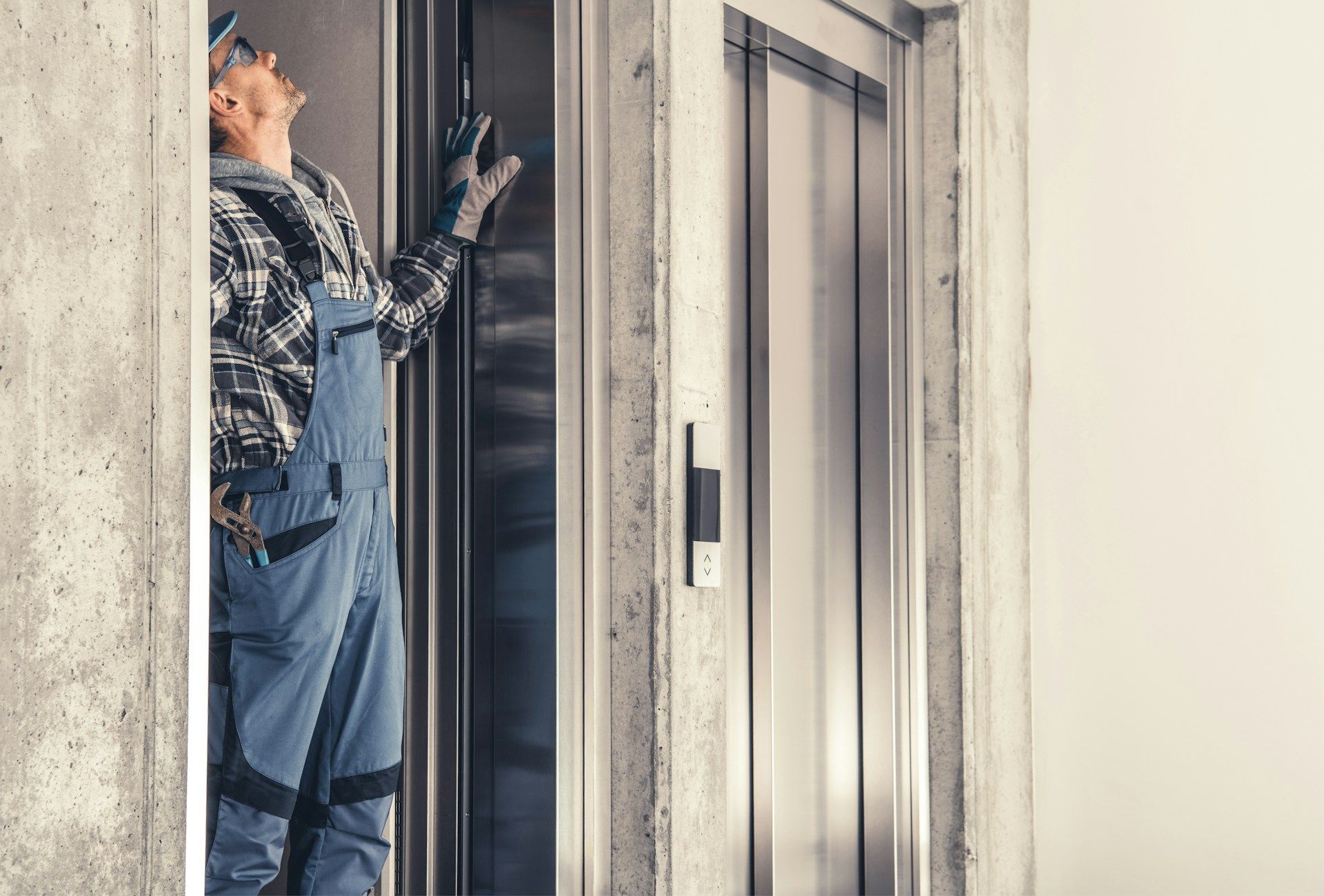
Once the site is ready, the physical build begins. Depending on the scope of the project, this part can last a few days or stretch across several weeks. Weather can become a factor in early spring, especially in areas like Louisville, Kentucky, where rain tends to pick up during March.
Here’s how the main steps usually go:
- The elevator shaft is built or reinforced if it’s an existing structure.
- Rails and mechanical parts are installed inside the shaft.
- The elevator cab is assembled and placed into position.
- Wiring, safety sensors, and controls are connected.
- The whole system is powered and checked for mechanical soundness.
Safety checks happen throughout each step. We monitor every part of the work so nothing is skipped and nothing puts future users at risk.
Testing and Passing Inspection
After the system is fully assembled, we begin testing to make sure everything runs properly before anyone rides in it. These tests check how the cab responds to movement, weight, and emergency functions.
- Local elevator inspectors do a final review to check for door sensors, level stops, alarm systems, and backup power features.
- Any issues found are usually small, but they have to be fixed before approval is given.
- Delays often come from incomplete paperwork or missed inspections, so we help owners stay ahead of the checklist.
Building owners who stay informed during earlier stages tend to avoid these ending hiccups. By being active in walkthroughs and keeping track of requirements, we can help the job finish right, and finish on time.
Smooth Start After Installation
Once the elevator passes inspection, it still needs a little support before it’s fully handed off. This is when building owners or facility managers get training on how to use the system, what to watch for, and when to schedule regular care.
- A final walkthrough shows how the system works, how it should sound, and what normal operation looks like.
- We help set timelines for maintenance and recommend a service rhythm based on how the building works.
- Early spring is a good season to watch for leftover effects from winter, like moisture near entry points or salt residue on components belowground.
These steps matter because even brand-new systems need planned support. It starts users off with clear information and helps avoid service calls that are often preventable.
A Strong Start to a Long-Running System
A smooth commercial elevator installation comes down to knowing what to expect at each stage. From design decisions to site visits, every step matters. And when everything is handled in order, big problems can often be avoided.
Early planning, clear communication, and understanding your building’s needs make the whole process feel more manageable. Once you’re familiar with the basics, it’s easier to ask the right questions and keep the job on track, with fewer surprises along the way.
Ready to ensure your building’s new elevator has a hassle-free start? Trust Elevator Solutions Inc. to guide you through an impeccable
commercial elevator installation. Our team of experts is committed to making each phase, from initial planning to final inspections, smooth and efficient. Contact us today and embark on a seamless journey to elevating your property in Kentucky or Indiana.