Why Your Elevator Might Bounce or Shake in Use
When an elevator starts to bounce, jolt, or shake, it puts people on edge. Residents and building managers alike start to ask the same question: is this safe? Movements like these often hint at mechanical wear or alignment issues, and if they're ignored, they can lead to bigger disruptions or shutdowns. In areas like Kentucky and Indiana, where elevators work through a mix of cold winters and warm springs, it’s common to see more of this kind of behavior right after the seasons shift.
Regular elevator service helps reduce these surprises, but if you’re seeing the elevator move oddly, it’s time to pay attention. That bounce might not just be annoying. It could be the first sign of trouble.
Common Mechanical Issues That Cause Movement
There’s more than one reason an elevator might start to shake during use. Most of the time, it’s a slow build-up of wear. Parts stop working as smoothly as they used to. Others may not stay in line like they should. Over time, friction builds, spacing becomes uneven, and the ride feels rough.
- Rollers and guide rails help the elevator move smoothly between floors, but if they become worn or misaligned, they cause side-to-side movement or rattle
- Suspension systems, including the cables and counterweights, may stretch, shift, or become loose, leading to vertical bouncing during stops or starts
- Issues inside the hoistway, like wear on braking mechanisms or brackets, can send vibrations through the cab
These aren’t always dramatic changes. But they tend to get worse if not caught. Elevators are built for constant use but need attention to stay smooth and safe.
Seasonal and Environmental Factors
As spring starts, we often uncover building or equipment issues left behind by winter. Elevators aren’t sealed off from these effects. In Kentucky and Indiana, freeze-thaw conditions, long stretches of cold, and leftover salt from outdoor sidewalks can creep into elevator systems, especially older ones with gaps around their pits or hoistways.
- Underground elevator pits may collect moisture from melting snow, which speeds up rust or corrosion
- Cables and rails expand and contract with temperature swings, sometimes pulling equipment slightly out of alignment
- Water and road salt can lead to corrosion on brackets, sensors, and mechanical contact points at the bottom of the elevator system
Often the worst of this appears just as the weather starts to warm up. Parts that were stressed in January may only start to act up now. Little movements like vibration or light shaking can begin suddenly, giving people the sense that something has changed overnight.
Elevator Solutions Inc. offers routine and emergency repair services year-round for buildings across Kentucky and Indiana. Our maintenance programs are tailored to both commercial and residential properties, and our technicians know where to look for weather-linked wear or environmental buildup after the seasons shift.
Signs It’s Time for a Closer Look
Most property owners or tenants can sense when an elevator isn't operating normally. It doesn't take specialized knowledge to notice small shifts that weren’t there last month. Here are a few indicators that extra attention is needed:
- Sudden jolts when the elevator starts moving or finishes a run
- Floors that don’t feel quite level, like the cab stops an inch too high or too low
- Unexpected vibration that wasn’t there previously, or a feeling that the cab wobbles slightly during its trip
- Metals clanking or unusual noises that don’t match normal function
These kinds of warning signs don’t always mean something major is broken, but they nearly always deserve professional assessment. These are the kinds of things that often point to hidden wear. Fixing what’s minor now often prevents more expensive issues later.
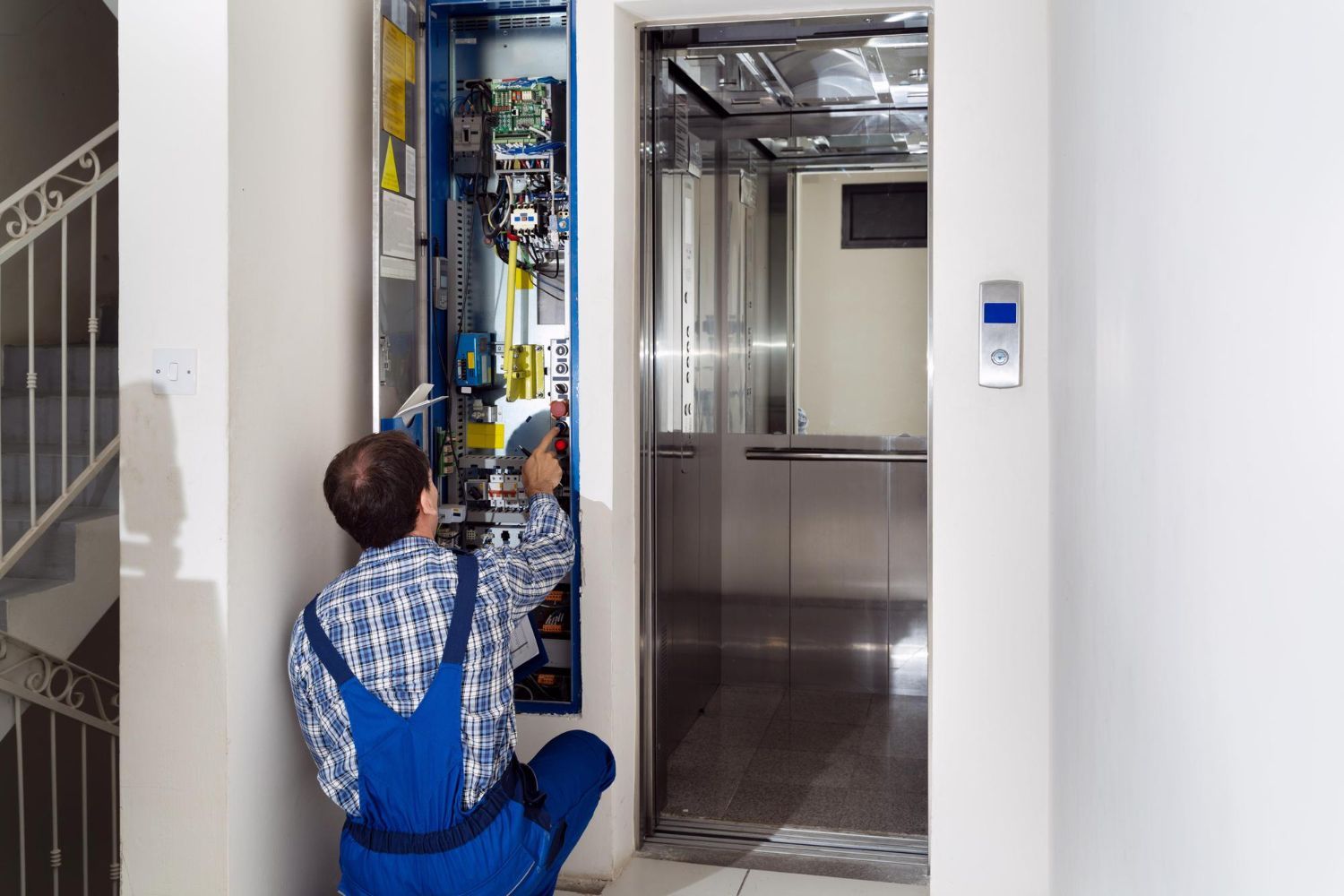
We perform assessments using industry diagnostics, including checks on guide shoes, counterweights, and standing water in elevator pits. Preventing elevator bounce and shake is possible when issues are caught early by seasoned professionals.
How Regular Elevator Service Helps
Shaking during a ride doesn’t start overnight. It’s the result of slow changes that go unchecked. That’s why having an elevator service routine can keep mechanical problems from developing in the first place. We find that when service is regular, many of these problems get spotted before anyone notices shaking in the cab.
- Small issues are easier to fix when we check moving parts like rollers and cables in their early stages
- Regular cleaning prevents dirt and grit from collecting on belts and pulleys, which adds friction during stops
- Oil and lubrication schedules keep the elevator gliding through the shaft rather than jerking up and down
- Guide rail alignment checks help catch the early signs of bounce that start when cab movement becomes uneven
We always get asked how often an elevator should be serviced. That depends on how old the equipment is and how often it gets used. An older elevator running all day in a busy building will need more attention than a new system in a low-traffic facility. But no matter the age, adding a seasonal spring check into the mix makes sense, especially just after the extra stress of winter.
Building Confidence in the Ride
Elevators work best when their movement feels invisible. You press the button, ride up or down, and hardly think about the machinery behind it. But when something starts shaking or bouncing, that comfort disappears. People start asking questions.
That loss of trust usually starts with something simple, a sound, a wobble, a hesitation at a floor. Those are the kinds of changes that grow larger if no one responds. Mechanical problems, seasonal wear, and environmental stress can all play a part, especially in buildings across Kentucky and Indiana.
By watching for subtle movement issues in the spring and keeping up with service on known problem areas like rollers or hoistway parts, we can keep elevators running smoothly and prevent bigger failures down the road. Most of all, we help restore that feeling that everything’s working just the way it should.
Noticing unusual movements or sounds in your elevator as spring arrives in Kentucky and Indiana can signal wear that deserves attention. Regular maintenance helps keep every ride safe, smooth, and reliable for everyone in the building. Stay proactive by scheduling routine
elevator service. Contact Elevator Solutions Inc. today and let us help your system perform at its best.